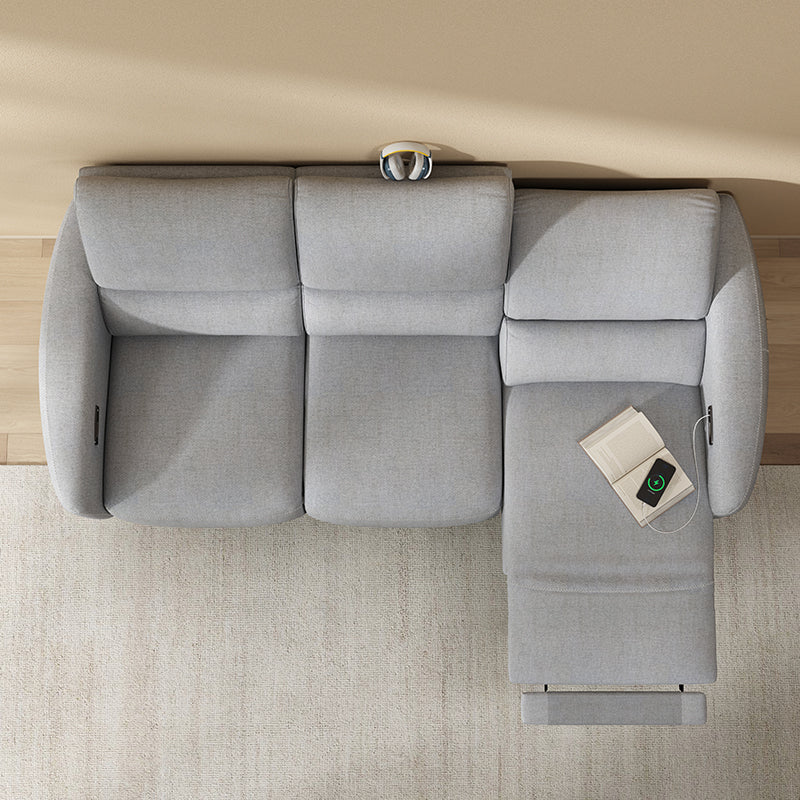
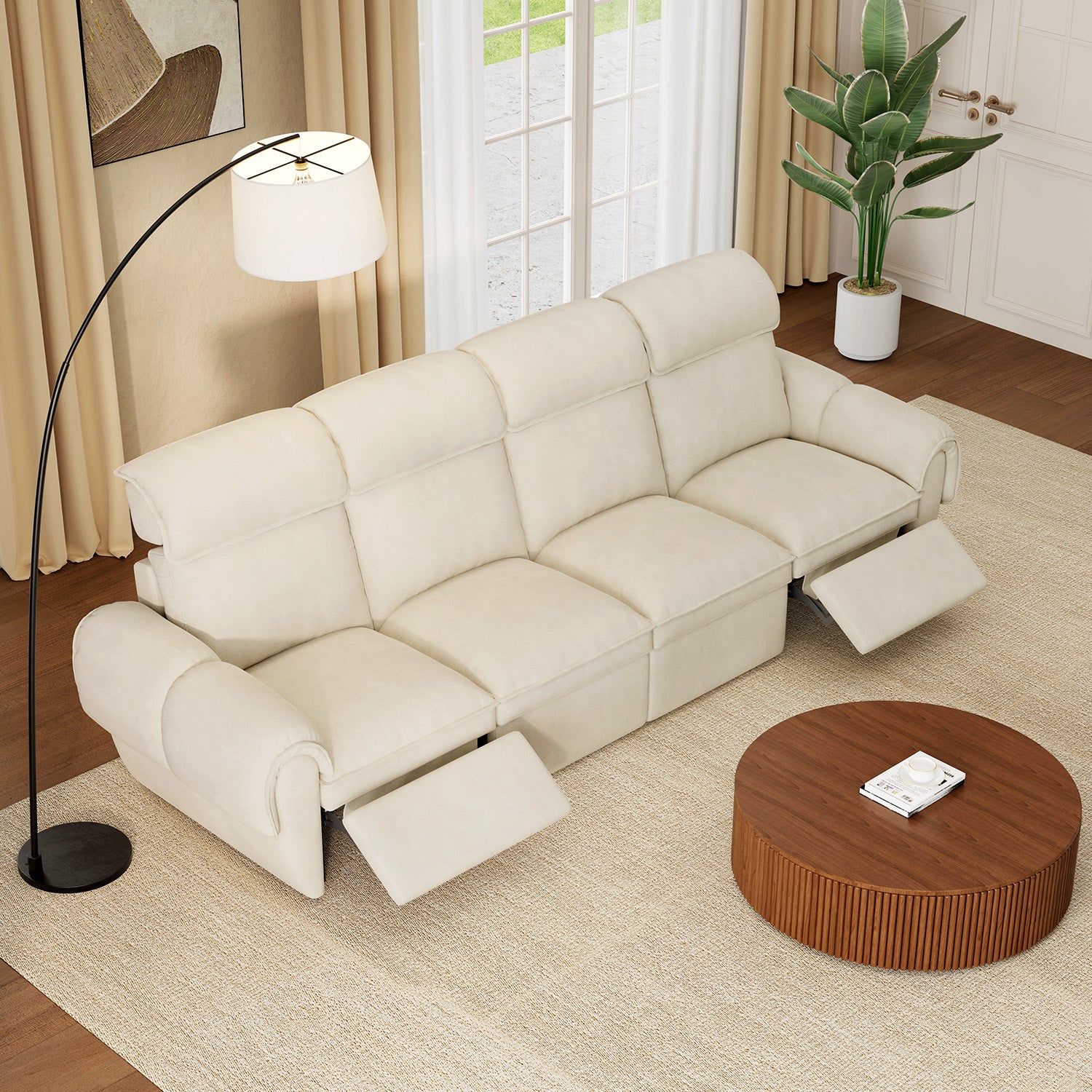
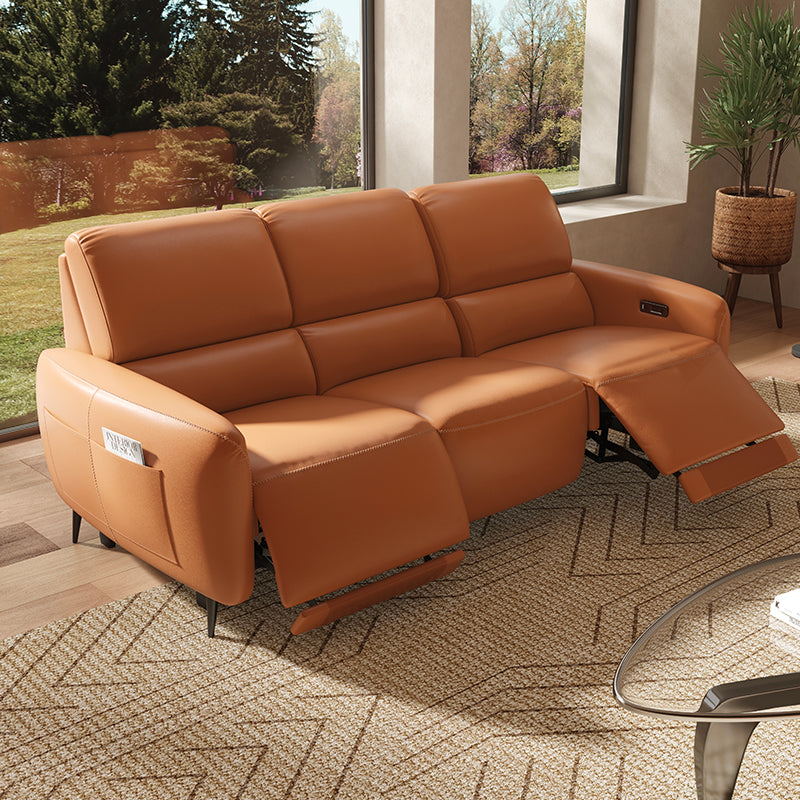

Yes, you can change your l-shaped modular sectional sofa to suit any room. An l-shaped modular sectional sofa is like a set of building blocks—you can move each section or add new pieces to perfectly fit your space. Unlike traditional sofas, an l-shaped modular sectional sofa offers flexibility, allowing you to rearrange its layout whenever you want. This makes it an excellent choice for open-concept rooms or spaces that require frequent updates. Simply follow a few easy steps to set up and style your l-shaped modular sectional sofa for both comfort and visual appeal.
Table of Content
Part1. Assessing Your Space
Measuring Room Dimensions
Fit and Flow
Accurate measurements help you avoid buying a sofa that overwhelms your room or blocks important pathways. Follow these steps to measure your space before choosing a l-shaped modular sectional sofa:
Measure the entire room from wall to wall and write down the numbers.
Find fixed features like columns, outlets, or radiators and note their locations.
Check the ceiling height to make sure the sofa fits and does not block windows or views.
Decide where you want the sofa and measure the maximum area it can cover.
Think about how people move through the room. Leave enough space for easy walking.
Use painter’s tape to mark the sofa’s footprint on the floor. This helps you see how much space it will take.
Measure doorways, hallways, and stairs to make sure you can bring the sofa inside.
Look at the size of each modular piece to make sure everything fits.
Many people buy furniture without measuring their space. This mistake can lead to a sofa that does not fit or cannot even get through the door.
Doorways and Walkways
Always measure the width and height of doorways, hallways, and stairways.
Make sure the sofa can move easily into your room.
Leave clear walkways around the sofa for safe and comfortable movement.
Without accurate measurements, you could end up with a piece that’s too big for your space, which ultimately can disrupt the flow and functionality of your room.
Identifying Focal Points
TV, Fireplace, Windows
Every room has a focal point. This is the spot that draws your attention first. Common focal points include fireplaces, large windows, and big pieces of art. Sometimes, a TV or entertainment center becomes the main feature.
Scan your room and find the most dominant feature.
Make sure your sofa faces or frames this focal point.
If you have more than one focal point, arrange your furniture so they work together.
Conversation Areas
Place your sofa to encourage talking and gathering.
Arrange seats so people can see each other easily.
Use the sofa to create a cozy spot for family and friends.
Room Shape and Function
Living Room vs. Multi-Use
The shape and purpose of your room affect how you set up your sofa.
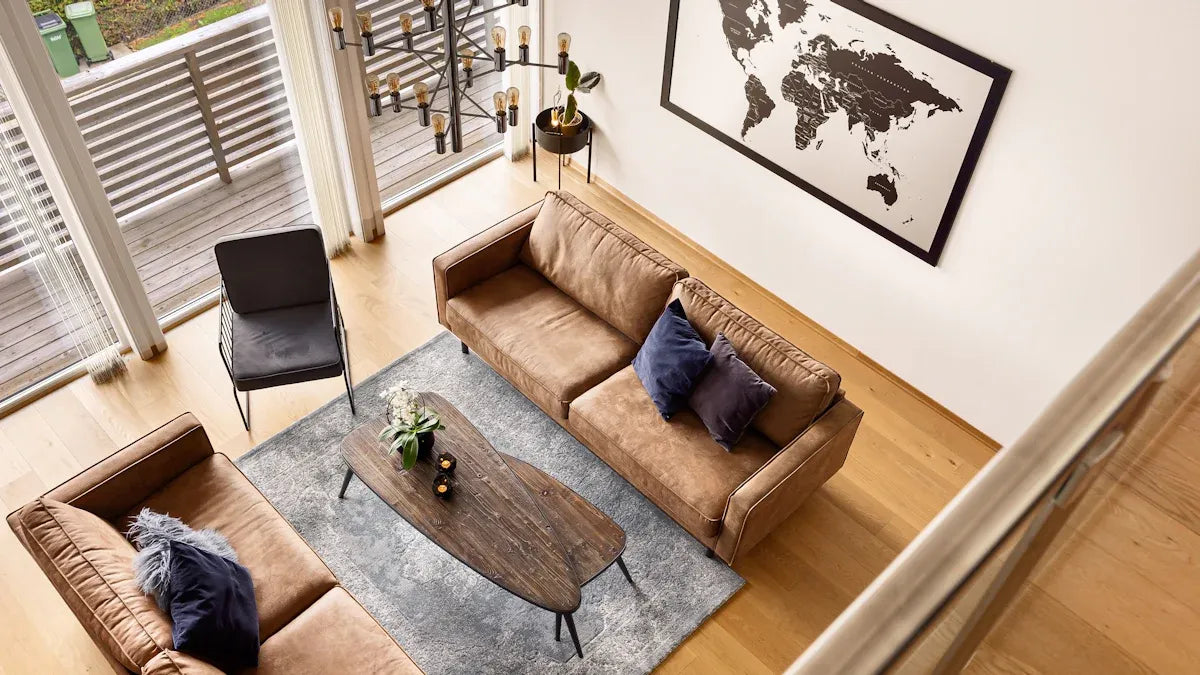
L-shaped sofas work well in small rooms because they fit into corners and save space.
In large, open rooms, you can use a U-shaped layout to create zones for relaxing or entertaining.
Think about how you use the room. If you host guests often, choose a setup that allows for easy conversation and movement.
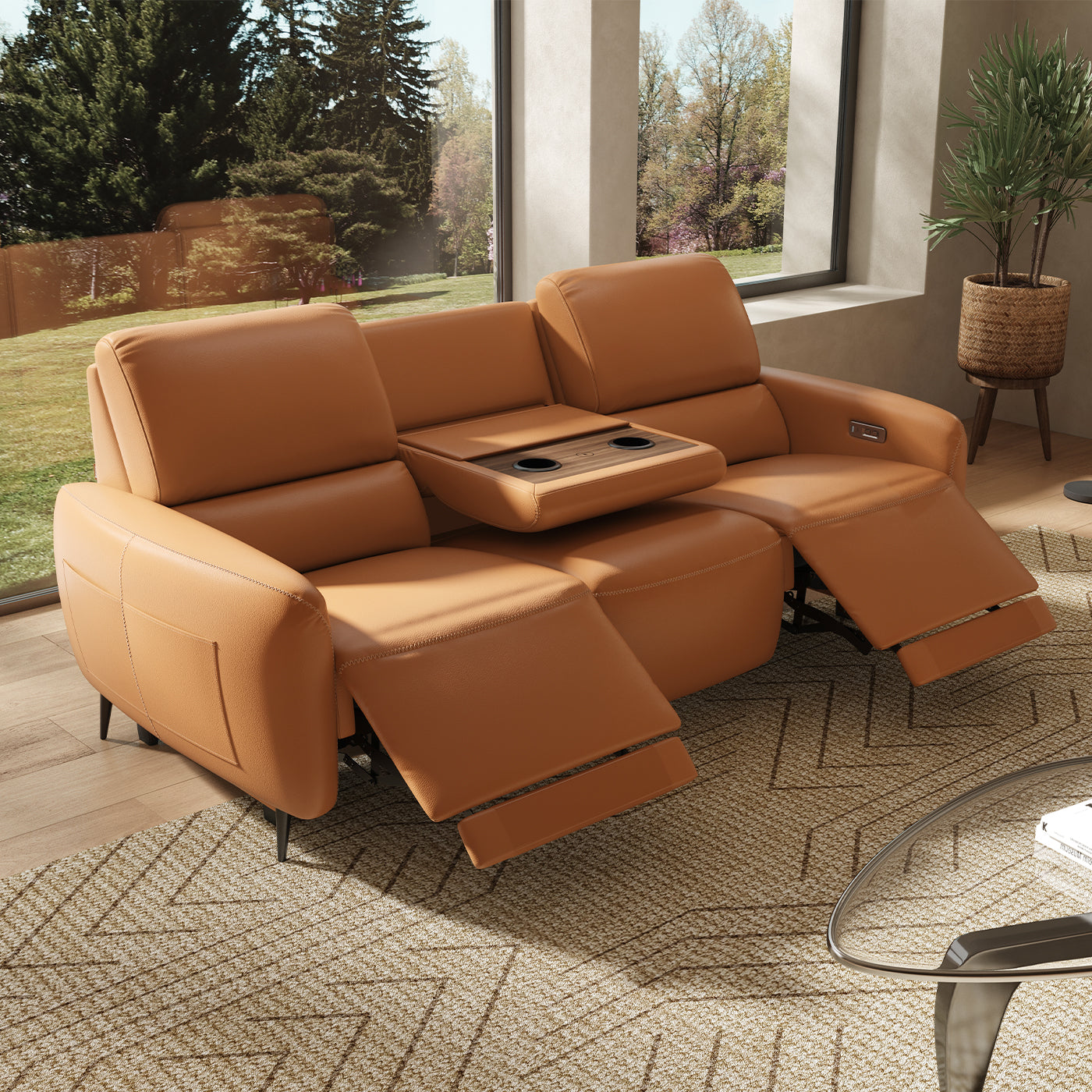
Tip: The AeroStretch sofa from Aliving Home is designed for both small and large spaces. Its modular design lets you adjust the layout to fit your needs, whether you want a cozy corner or a spacious seating area.
Configuring Your L-Shaped Modular Sectional Sofa
You can set up your l-shaped modular sectional sofa in many ways. This helps it fit your room and your needs. You can pick the best direction, add or take away sections, and change the layout for different times. Some sofas, like the AeroStretch from Aliving Home, have drop-down trays. These trays make your living space even more useful.
Left-Facing vs. Right-Facing
Picking the right direction for your l-shaped modular sectional sofa matters. The side you choose changes how your room looks and feels. Look at the table below to see the main differences:
Feature |
Left-Facing Sectional |
Right-Facing Sectional |
|---|---|---|
Orientation Determination |
Chaise on the left when viewed from the front |
Chaise on the right when viewed from the front |
Ideal Room Layout |
Fits well along a wall or in a corner |
Extends into an open area without obstruction |
Usability Consideration |
Better for cozy nooks and tighter spaces |
Works well in open-plan living rooms |
Interaction with Furniture |
May provide better access to a fireplace or TV |
Easier access for right-handed individuals |
Visual Balance |
Can offset a right-heavy room layout |
Complements left-heavy layouts |
Choosing the Best Side
Check your room’s layout before you decide. Here are some tips to help you:
Think about where people walk in your room. Make sure the chaise does not block paths.
Put the longer side of the sofa along a wall for a cozy spot.
Use a right-facing sectional if your room is open and you want the sofa to reach into the space.
If you have a fireplace or TV, pick the side that gives you the best view.
For right-handed people, a right-facing sectional can make it easier to reach tables or things nearby.
Picking the right direction for your chaise sectional makes your room feel better and work well.
Modular Options
A l-shaped modular sectional sofa lets you change your seating when you need to. You can add or take away pieces, use a chaise or ottoman, and even switch colors or fabrics.
Adding or Removing Sections
Add extra seats if your family gets bigger or you have more guests.
Take away a section to make more space in a small room.
If a piece breaks, you can replace just that part, not the whole sofa.
Move the pieces around to make new setups for movie nights, parties, or quiet reading.
This makes a modular sofa a smart buy. It can get bigger for your family or smaller if you move.
Using a Chaise or Ottoman
A chaise or ottoman adds comfort and style to your l-shaped modular sectional sofa. Here’s how they help:
A chaise gives you a spot to stretch out and relax.
Ottomans can be extra seats, a footrest, or a coffee table.
Both pieces work in small or big rooms and use space well.
You can move them to make new seating areas or spots for talking.
A chaise or ottoman also makes your room look nice. You can pick a color or style that matches your room or stands out.
Adapting to Room Changes
Your l-shaped modular sectional sofa can change as your life changes. You can set it up for guests, family events, or new room layouts.
Reconfiguring for Guests
Move sections together to make a guest bed for visitors.
Spread out the pieces to make more space for parties.
Change the layout to face the TV for movie nights or to help people talk during family time.
The AeroStretch sofa from Aliving Home has a drop-down table tray. This tray adds more ways to use your sofa. You can put snacks, drinks, or a laptop on it. This makes your living room ready for anything.
Modular sofas are liked because they change with your needs. You do not need to buy new furniture every time your life changes.
With these choices, you can make your l-shaped modular sectional sofa fit any room, any time.
Sectional Placement Tips
Small Room Solutions
Corner Placement
Put your sectional in the corner to make your room look bigger. This uses space that people often ignore. The center of the room stays open when you do this. You can walk around easily and add a coffee table or side tables. Putting the sofa in the corner helps you organize your furniture. It also makes a cozy spot for relaxing or talking with friends.
Maximizing Space
You need smart ideas to use your small room well. Here is a table with tips for arranging your sectional:
Strategy |
Description |
|---|---|
Room Dimensions |
Measure your room. The sectional should cover about one-third to half of the area. |
Clearance |
Leave at least 3 feet in front of the sectional for easy movement. |
Wall Placement |
Put the sectional against a wall to open up floor space. |
Angling |
Angle the sectional a little to make a nice pathway in odd-shaped rooms. |
Room Divider |
Use the sectional to split areas in open-plan spaces. |
Built-in Storage |
Pick sectionals with hidden storage to keep things neat. |
Lighting |
Place the sectional to get sunlight. Use different lights for a bright space. |
Avoid Oversized Furniture |
Choose a sectional that fits your room so it does not feel crowded. |
Tip: Always measure your space before you buy a sectional. This stops crowding and keeps your room comfy.
Large Room Arrangements
Creating Zones
In big rooms, use your sectional to make different areas. This helps you organize the space and gives each part a job. You can have a TV zone, a reading nook, or a spot for games. The straight lines of the sectional make your room look neat and modern.
The sectional works as a divider but does not block light.
Good placement helps people move and keeps paths clear.
The sofa adds order and makes the room feel tidy.
Plan your setup. Decide where you want to watch TV, eat, or read.
Put the back of the sectional toward another area to split the space.
Arrange the sectional in an L-shape or U-shape to make a cozy spot.
Floating vs. Wall Placement
You can float your sectional or put it against a wall. Floating means you move the sofa away from the wall and closer to the middle. This makes the room feel open and flexible. Floating sectionals can split the room and make zones for different things. Wall placement gives your room a classic look and makes it feel safe and cozy. Moving the sofa to the center helps people talk and makes the space feel close.
Floating sofas make the room open and flexible.
Sofas against the wall give a classic and steady style.
Moving the sofa to the center helps people talk more.
Note: Leaving space between the sectional and the wall can make your room feel bigger and more welcoming.
Open-Plan Layouts
Defining Areas
Open-plan rooms need clear spots for different things. Use your sectional to split the living area from the kitchen or dining space. Put the back of the sofa toward the dining area to make a lounge or reading spot. Add a rug under the sectional to show where each area is and make it feel warm.
Use the sectional to mark areas like TV watching and talking.
Put a rug down to show each zone.
Maintaining Flow
You want your open-plan room to feel together but neat. Flexible setups let you change things for parties or relaxing. The sectional splits the space but does not block light or make the room feel small. Pick styles and colors that match in each area to keep everything looking nice.
Sectionals change for different needs, like parties or quiet nights.
They split space without walls, so the room stays open.
Matching styles and colors make your home look united.
Tip: Find zones in your room and use your sectional to split them while keeping the space bright and open.
Styling Your Sectional

Rugs and Flooring
Rug Sizing
Choosing the right rug size helps your sectional look balanced and inviting. Rugs anchor your seating area and make the space feel complete. You have several options for rug sizes that work well with L-shaped modular sectionals.
Rug Size |
Description |
|---|---|
5x8 ft |
Ideal for smaller spaces, resting in front of the sectional without going under it. |
8x10 ft |
Versatile size that can fit under the front legs of the sectional, creating a cohesive look. |
9x12 ft |
Best for larger rooms, allowing the entire sectional to sit on the rug, enhancing the defined area. |
For an L-shaped couch, pick a rug that covers the full corner and goes under the outer front legs.
Leave at least 18 inches of bare floor around the rug to accentuate both the rug and the sectional.
Tip: A rug that is too small can make your room look crowded. A rug that is too large can overwhelm the space.
Color Coordination
The colors of your sectional and flooring set the mood for your room. When you match the colors, you create a harmonious look. Contrasting colors add excitement and make the sectional stand out. Dark wood floors work well with bold or neutral sofas, adding depth to your space. Area rugs can help unify the colors and make the room feel more cohesive.
Try using a rug that picks up colors from your sectional or flooring. This trick ties the whole room together.
Pillows and Throws
Mixing Patterns
Pillows and throws add comfort and style to your sectional. You can mix patterns to show your personality. Use quirky prints or custom-made cushions for a personal touch. Choose pillows that give support and are easy to clean. Down inserts feel luxurious, while synthetic ones are good for allergies.
Use 5-7 pillows for a standard L-shaped sectional. This number gives comfort without crowding the seats.
Mix different shapes and sizes for a layered look.
Change pillow covers to refresh your style.
Seasonal Updates
You can update your sectional for each season. Swap heavy pillows and throws for lighter fabrics and colors in spring and summer. Use chunky knits or faux fur in fall and winter for warmth. Change slipcovers to lighter or brighter patterns for a fresh look. Rearranging the sectional or adding plants brings new energy to your room.
Regularly refresh your pillow arrangement to keep your style up to date.
Tables and Accessories
Coffee Tables
A coffee table adds function and style to your sectional area. Pick a shape that fits your sectional’s layout. Round tables work well in tight spaces. Rectangular tables suit longer sectionals. Choose materials and colors that match your sofa and room style.
Side Tables and Ottomans
Side tables and ottomans give you extra surfaces and seating. Ottomans can serve as footrests, extra seats, or even coffee tables. Side tables hold lamps, books, or drinks. Select pieces that complement your sectional and add to the room’s look.
Accessory Type |
Description |
|---|---|
Area Rug |
Anchors the sectional and defines the seating area. |
Pillows and Blankets |
Adds color, texture, and personality. |
Coffee Table |
Complements the sectional and provides functionality. |
Accessories like pillows, throws, and tables help you create a cozy and stylish space around your sectional.
Wall Art and Lighting
Enhancing the Area
Wall art can transform the space around your L-shaped modular sectional sofa. You can use art to create a focal point and add personality to your room. When you hang art above your sectional, you draw the eye upward. This balances the visual weight of the sofa and makes the room feel taller. You can choose one large piece or a group of smaller pieces for a gallery effect.
Here are some ways wall art enhances your space:
Wall art adds color and texture to plain walls.
Art helps you express your style and interests.
Large pieces create a bold statement above your sectional.
A gallery wall brings energy and movement to the area.
Vertical art balances the horizontal lines of your sofa.
You can use mirrors as wall art. Mirrors reflect light and make your room look bigger. You can also hang shelves with small plants or decorative objects. These items add layers and interest to your walls.
Tip: Hang your art at eye level. This keeps the space comfortable and easy to enjoy.
Layered Lighting
Lighting plays a big role in making your sectional area feel warm and inviting. You can use different types of lighting to create layers. Each layer serves a purpose and adds depth to your room.
Ambient lighting gives you general light for the whole room. You can use ceiling lights or large floor lamps.
Task lighting helps you read, work, or play games. Table lamps or reading lights near your sectional work well.
Accent lighting highlights art, plants, or special features. You can use wall sconces or LED strips for this.
Layered lighting makes your space flexible. You can change the mood by turning on different lights. Warm light bulbs make the area cozy and relaxing. You can use dimmers to control the brightness for movie nights or quiet evenings.
Here is a simple table to help you plan your lighting:
Lighting Type |
Purpose |
Example Fixtures |
|---|---|---|
Ambient |
General room lighting |
Ceiling light, floor lamp |
Task |
Focused work or reading light |
Table lamp, reading lamp |
Accent |
Highlight art or features |
Wall sconce, LED strip |
You can place a floor lamp behind your sectional for soft light. Table lamps on side tables add extra brightness. Accent lights can shine on your wall art or favorite decorations.
Note: Layered lighting not only makes your room look better but also helps you use the space for many activities.
With the right wall art and lighting, you can turn your sectional area into a stylish and comfortable spot for relaxing, reading, or spending time with friends.
Common Mistakes to Avoid
Overcrowding
You might feel tempted to fill your room with furniture, but overcrowding can make your space uncomfortable. When you add too many pieces, your room loses focus and feels smaller. You need negative space for your room to feel inviting and easy to use. If you crowd your l-shaped modular sectional sofa with extra chairs, tables, or shelves, you create a cramped environment. People find it hard to move around, and the room becomes less enjoyable.
Tip: Leave open areas around your sectional. Negative space helps your room breathe and makes it look bigger.
Here are common problems caused by overcrowding:
The room feels small and cluttered.
Guests struggle to find a comfortable spot.
Movement becomes difficult.
The main features of your room get lost.
You should measure your space before adding new furniture. Make sure your sectional fits well and does not take up too much room. If you keep your layout simple, you create a relaxing and functional space.
Ignoring Traffic Flow
Traffic flow means how people move through your room. If you block walkways with your sectional or other furniture, you make your space hard to use. You need clear paths to doors, windows, and other important areas. When you ignore traffic flow, you risk making your room feel crowded and unsafe.
Note: Always leave at least 30-36 inches of walkway space around your sectional. This keeps movement easy and safe.
Follow these steps to improve traffic flow:
Make sure pathways to doors and windows stay clear.
Avoid placing furniture in high-traffic areas.
Arrange your sectional so people can walk around it easily.
A good layout lets everyone move freely. Your room feels open and welcoming. If you plan your furniture placement, you avoid common mistakes and create a space that works for your family and guests.
Poor Color Choices
Color plays a big role in how your room looks and feels. If you pick colors that clash or do not match your space, your sectional can stand out in a bad way. Lighter shades make rooms look bigger and brighter. Darker shades create a cozy feeling but can make small spaces feel even smaller.
Tip: Test fabric samples in your living space before you decide. Colors look different in natural and artificial light.
Consider these strategies to avoid poor color choices:
Understand how color affects the size and mood of your room.
Try out samples to see how colors work with your lighting.
Choose colors that offer flexibility for future changes.
If you select colors that match your style and room size, you create a space that feels balanced and comfortable. Good color choices help your l-shaped modular sectional sofa blend in or stand out in the best way.
Neglecting Flexibility
You might forget about flexibility when you set up your L-shaped modular sectional sofa. This mistake can limit how you use your space. Modular sectionals, like the AeroStretch from Aliving Home, give you many options for changing your layout. If you ignore this feature, you miss out on comfort and convenience.
Flexibility means you can move, add, or remove sections. You can switch the direction of the chaise or use an ottoman in different spots. You can also adjust your sofa for parties, movie nights, or quiet evenings. When you keep your layout the same all the time, your room may not work well for different activities.
Tip: Try new arrangements every few months. You might find a setup that fits your life better.
Here are signs you might be neglecting flexibility:
You never change your sofa’s layout.
You struggle to fit guests or family during gatherings.
You cannot reach outlets, windows, or tables easily.
Your room feels stuck or boring.
You can avoid this mistake by using these strategies:
Test Different Layouts
Move sections to see which arrangement feels best. You can put the chaise on the left or right. You can float the sofa or push it against a wall.Use Modular Features
Take advantage of features like drop-down trays or movable ottomans. These add function and style.Plan for Change
Think about how your needs might change. You might host more guests or want a new look. Modular sofas let you adapt without buying new furniture.Keep Pathways Clear
Make sure you can walk around your sofa easily. If you add or remove sections, check that you still have enough space.
Here is a table to help you see flexible options:
Flexible Feature |
How It Helps You |
|---|---|
Removable Sections |
Adjust seating for any occasion |
Movable Chaise/Ottoman |
Change comfort and style |
Drop-Down Table Tray |
Add workspace or snack area |
Easy Reconfiguration |
Refresh your room anytime |
If you use your sectional’s flexibility, you create a space that grows with you. You can make your room fit your life, not the other way around. You enjoy more comfort, better function, and a fresh look whenever you want.
Remember: Modular sofas are designed for change. Use their features to make your home work for you.
Quick Recap and Next Steps
Key Customization Tips
You can make your L-shaped modular sectional sofa fit any room. Here are some important tips to remember:
Create conversation zones with L-shaped or U-shaped layouts. These shapes help people gather and talk easily.
Use a chaise sectional in small rooms. This gives you a spot to stretch out without taking up too much space.
Rearrange the pieces for different occasions. You can set up a pit-style arrangement for movie nights or family gatherings.
Add single seats or corner wedges. This lets you customize the sofa for guests or extra family members.
Place your sectional away from the walls. This creates a central area for talking and relaxing.
Anchor your space with a large area rug. Rugs help define the living area and add warmth.
Put a console table behind the sofa. This acts as a divider between zones in open-plan rooms.
Consider sectionals with recliners at the ends. Recliners add comfort and make your sofa more functional.
Tip: Modular sectionals like the AeroStretch from Aliving Home offer features such as drop-down trays and power recliners. These features increase comfort and make your space more useful.
Simple Action Plan
You can follow a few easy steps to customize and arrange your modular sectional sofa:
Choose individual sections. Start with standard seats, corner pieces, or ottomans to build a layout that fits your room.
Try a pit-style layout. Arrange modules to form a spacious area for relaxing or hosting friends.
Use a large rug to define the seating area. Rugs add warmth and help mark the living space.
Add colorful throw pillows. Pillows show your style and make the sofa more comfortable.
Include a coffee table or ottoman in the center. These pieces give you a place for snacks, books, or games.
Layer blankets and throws. These add comfort and style to your sectional.
Place plants and lighting nearby. Plants bring life to the room, and good lighting creates a cozy atmosphere.
Check that your sofa fits well. Make sure it does not block walkways or windows.
Step |
What to Do |
|---|---|
Measure your space |
Use tape to mark the sofa area |
Pick your modules |
Choose seats, chaise, or ottoman |
Arrange and test |
Try different layouts |
Style your sofa |
Add pillows, throws, and plants |
Review placement |
Ensure clear paths and comfort |
Encouragement to Experiment
You have many options with a modular sectional sofa. Do not be afraid to try new layouts or styles. Move the pieces around every few months. Change the direction of the chaise or add a new ottoman. Swap out pillows and throws for different seasons. Test new colors or patterns to refresh your space.
Remember: Your room should work for you. Modular sectionals let you change your setup anytime. You can create a space that feels comfortable and looks great.
You can make your living area fit your life. Try different arrangements until you find what you like best. Enjoy the flexibility and comfort that a modular sectional sofa brings to your home.
FAQs
Q1: How do you measure your room for a modular sectional sofa?
Use a tape measure to check the length and width of your room. Mark the area with painter’s tape. Make sure you leave space for walkways and doors.
Q2: Can you add or remove sections from your L-shaped modular sectional?
Yes, you can add or remove sections. Modular sofas let you change the layout to fit your space or needs. This helps you create a custom seating area.
Q3: What is the difference between left-facing and right-facing sectionals?
Left-facing means the longer part sits on your left when you look at the sofa. Right-facing means it sits on your right. Choose the side that fits your room’s layout.
Q4: How do you keep your sectional clean?
Vacuum your sofa weekly. Wipe spills with a damp cloth. Use upholstery cleaner for tough stains. Check the care label for special instructions.
Q5: What accessories work best with an L-shaped sectional?
Try a large area rug, a coffee table, and throw pillows. Add a floor lamp for light. Use side tables for drinks and books.
Conclusion
You can change your L-shaped modular sectional sofa to fit any room. First, measure your space so you know what will fit. Plan how you want your sofa to look in the room. Try different setups until you find one you like. Modular sectionals let you move pieces around and pick your style. You can add or take away sections, switch directions, and use new accessories.

If you want to buy our home furniture or couch for living room, you can check out more on our store

The Author: Kaia
As an functional and aesthetic furniture company, we are passionate about transforming spaces into inspiring, functional, and aesthetically pleasing environments. With over 10 years of experience in the industry, we have honed our skills in both creative design and compelling storytelling. Our love for design extends beyond the visual elements; We strive to understand the unique stories and needs of our clients, capturing the essence of each project through our writing.