1. Identify the Room’s Main Purpose
Before arranging your furniture, determine how the space will be used. Do you primarily use it for watching TV? Is it a place for entertaining guests? Do you need a multipurpose space for both work and relaxation? Answering these questions will help you decide on the best layout to meet your needs.
2. Choose a Focal Point
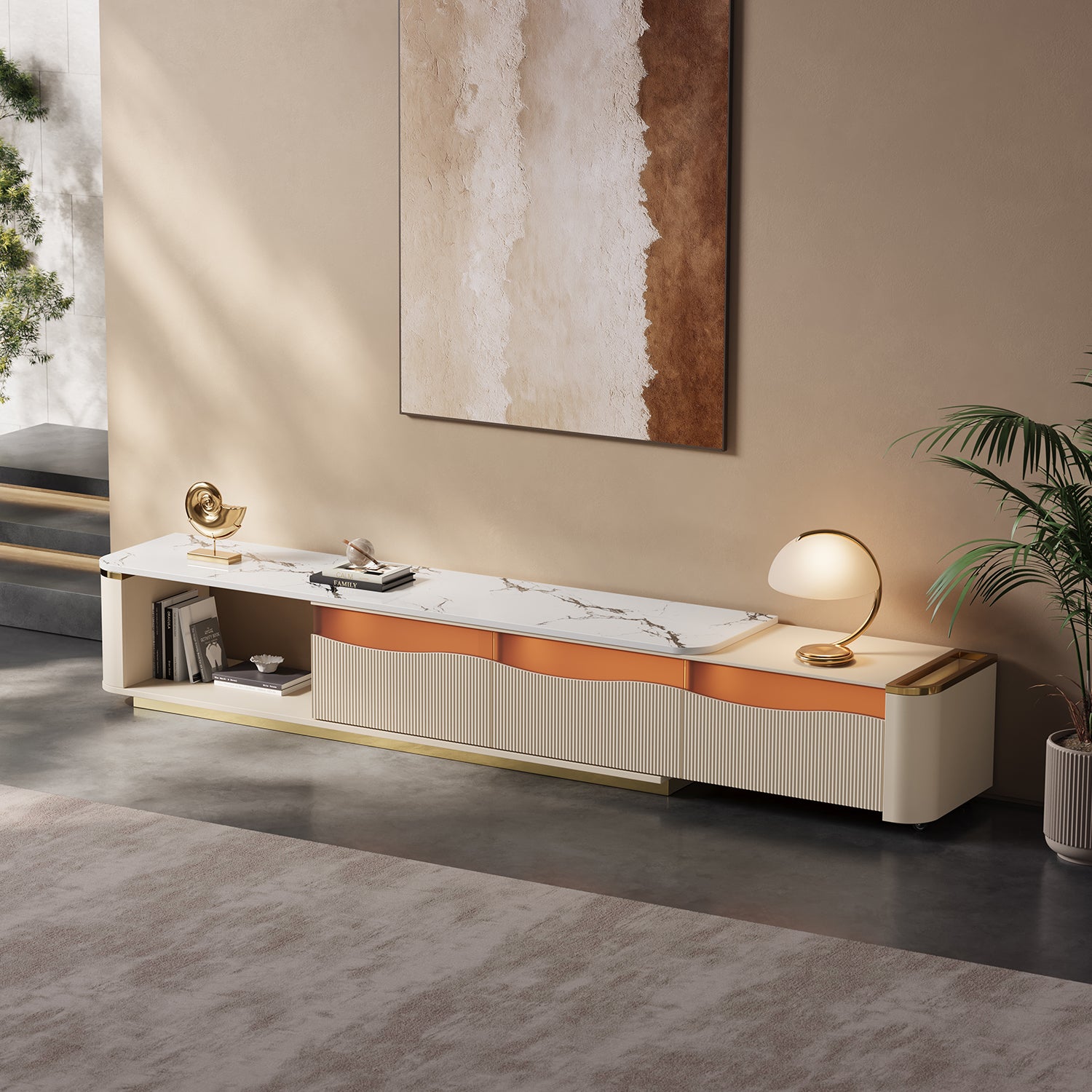
Every living room has a primary focal point, whether it's a television, a fireplace, a large window with a scenic view, or a statement gallery wall. Position your largest furniture piece, such as a sectional sofa, facing this focal point to create a natural arrangement. If you have multiple focal points, balance the space by ensuring each area gets the attention it deserves.
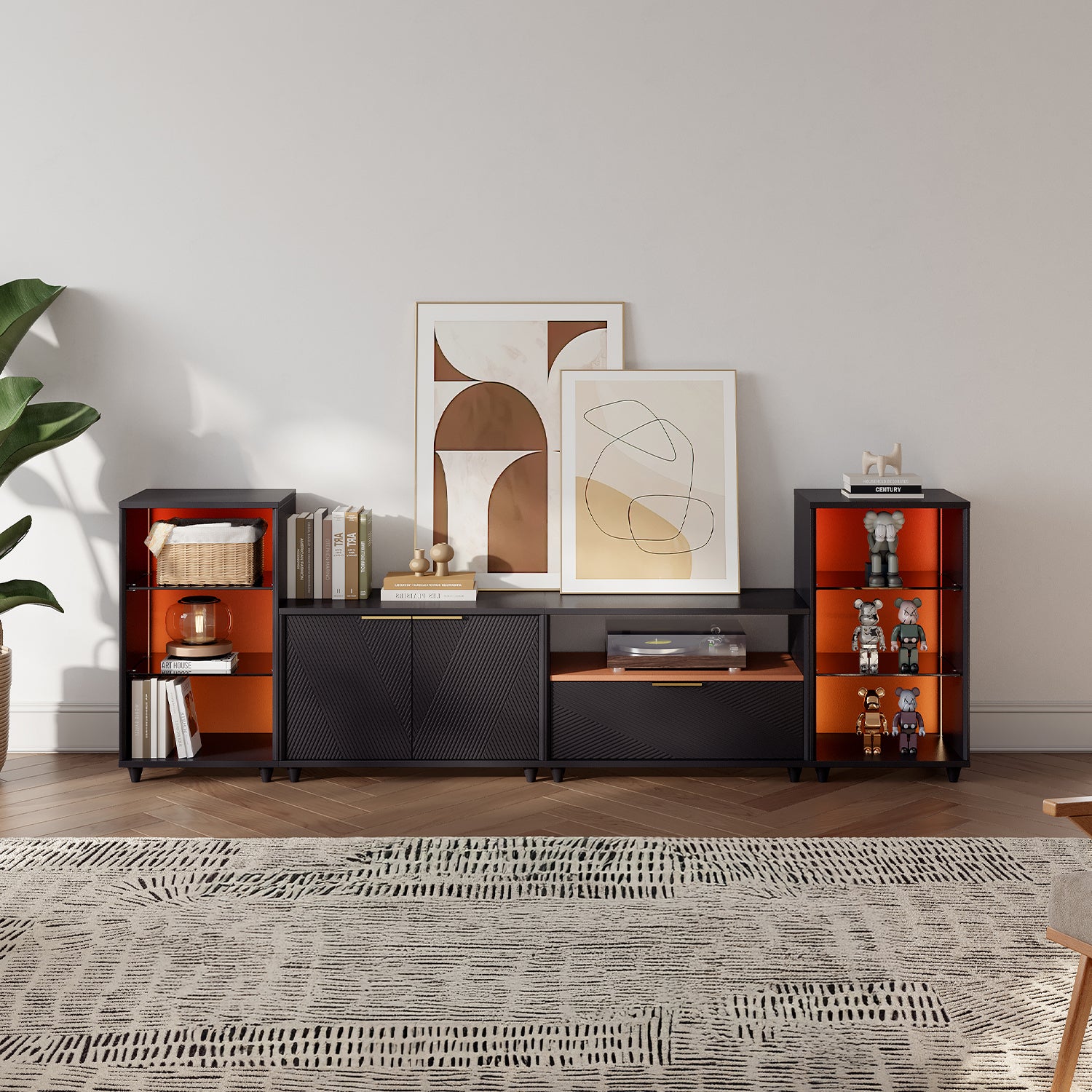
For example, if your living room includes a fireplace, an electric fireplace TV stand can be a stylish and functional centerpiece that combines warmth and entertainment in one piece.
3. Start with the Largest Piece
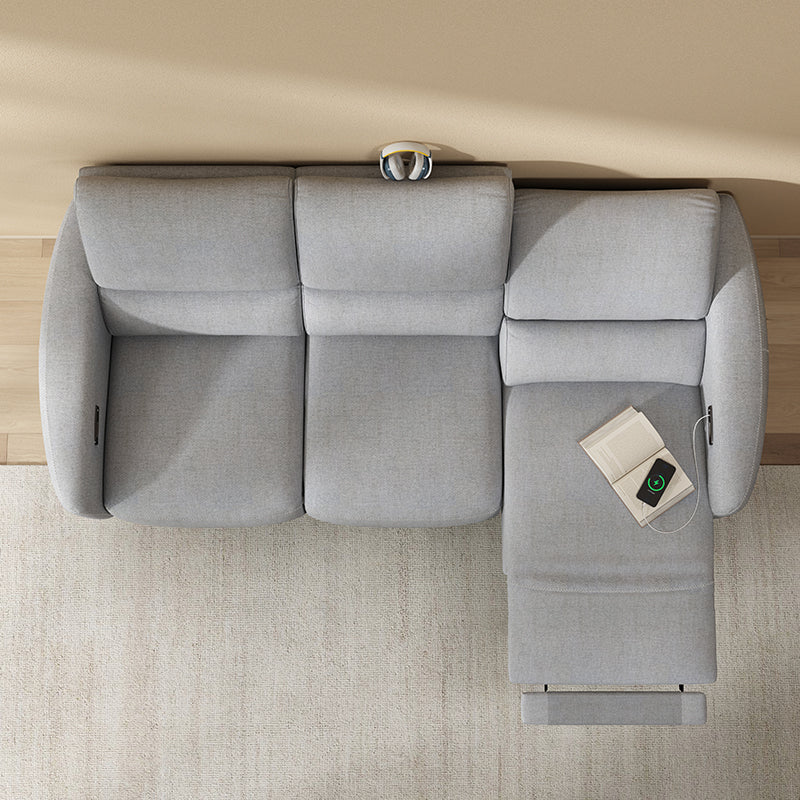
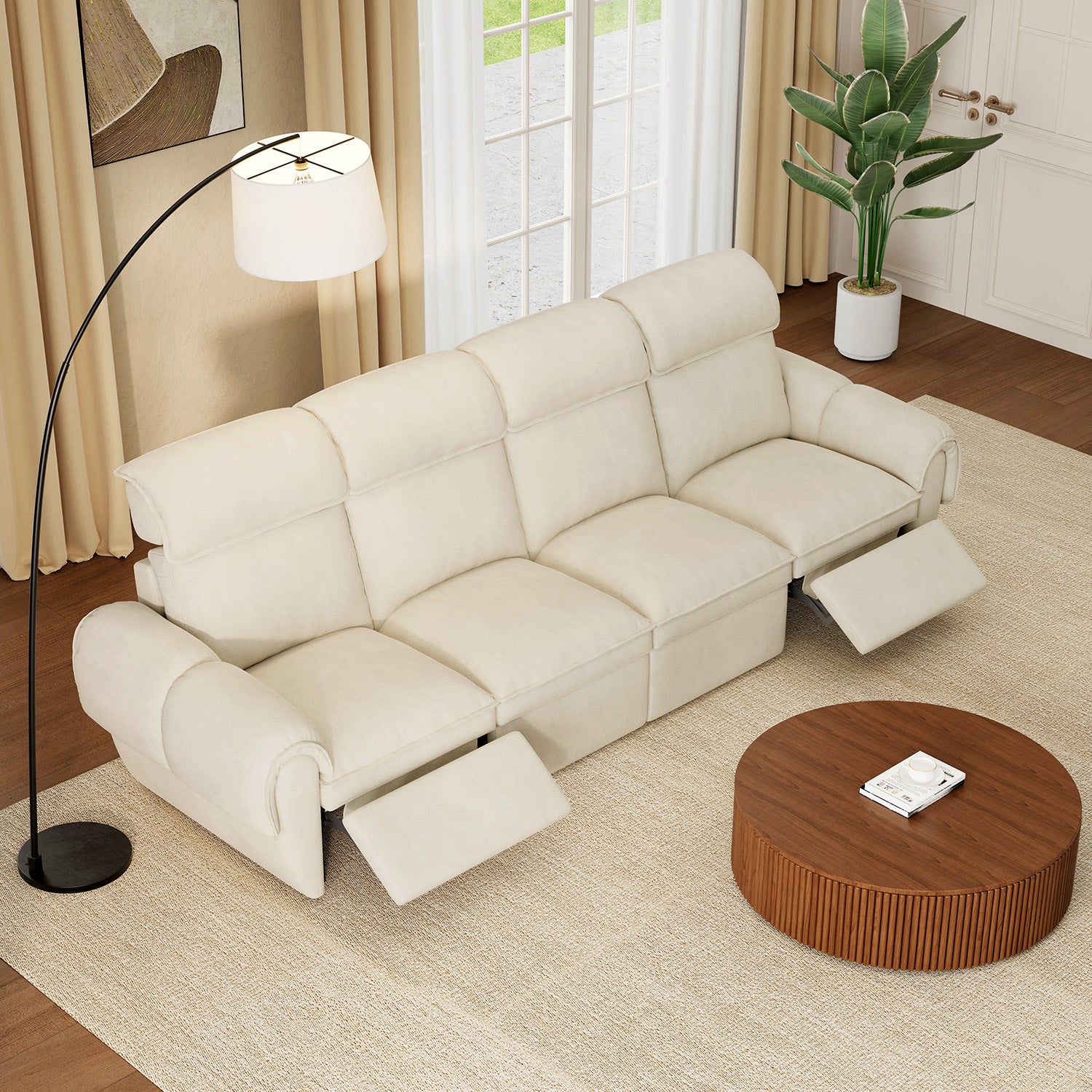
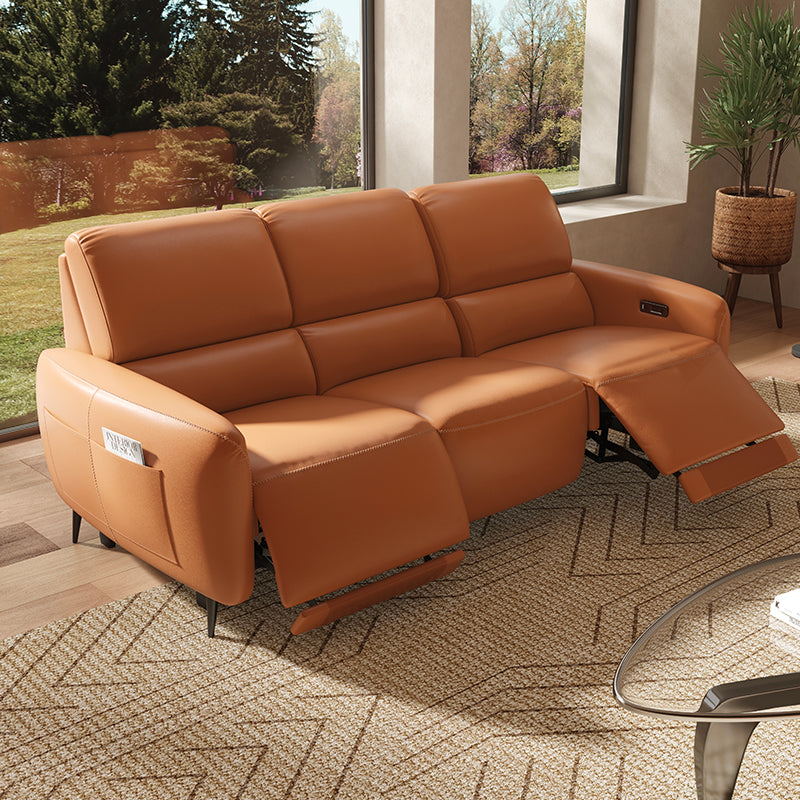
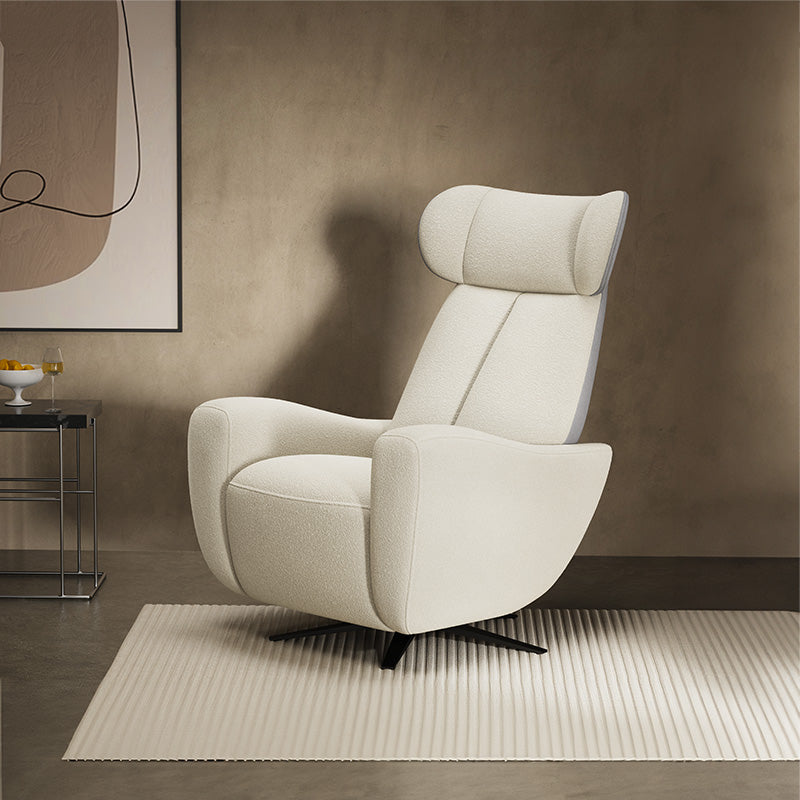
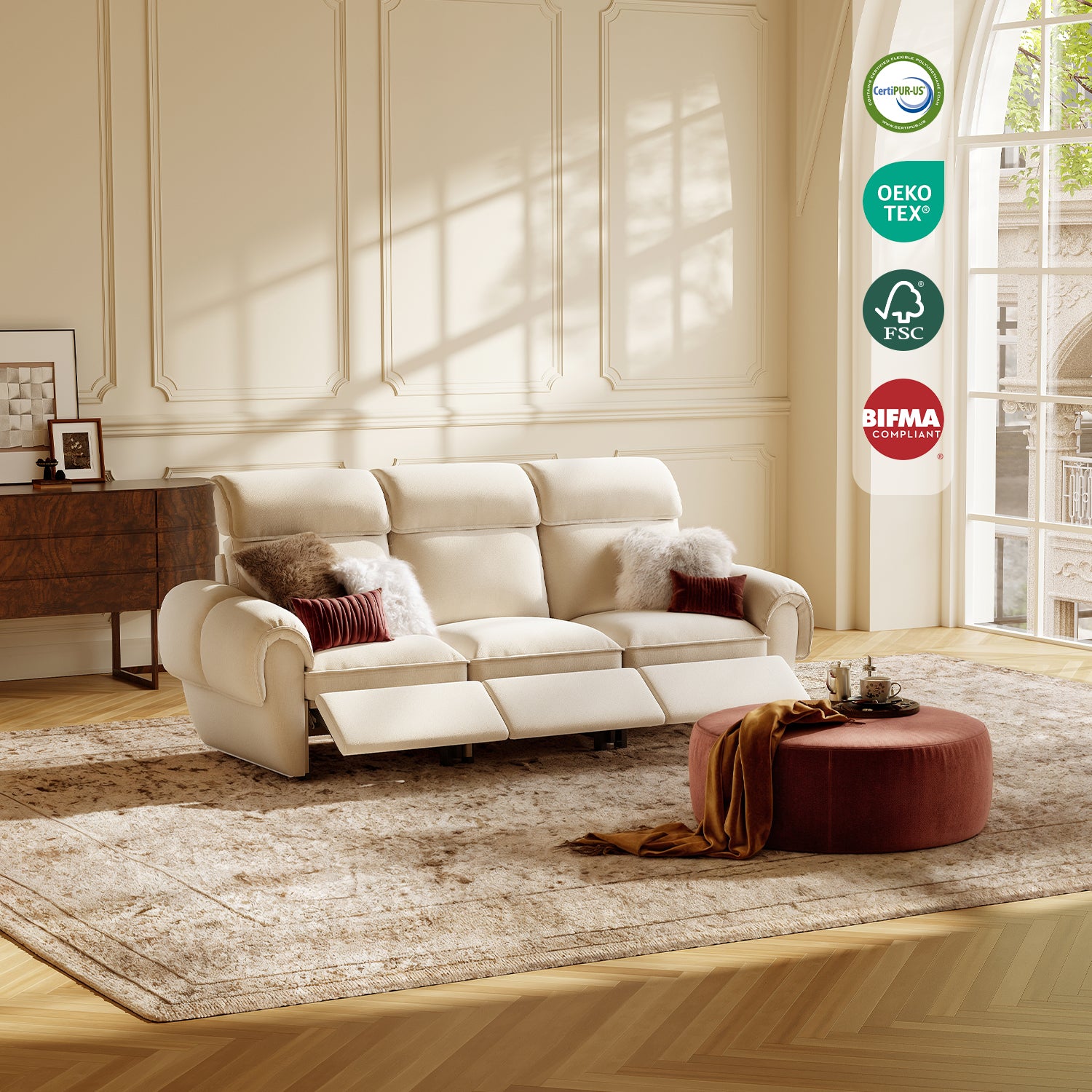
Once you’ve identified the focal point, place the largest piece of furniture first. In most cases, this is the sofa. Avoid placing the sofa directly in front of a window to prevent blocking natural light. Next, position smaller seating options—like armchairs or loveseats—adjacent to or opposite the sofa to create a conversational layout.
4. Add Accent Furniture
After setting up the main seating area, incorporate accent furniture like coffee tables, side tables, and ottomans. These pieces should be placed within easy reach of seating to enhance convenience. If space allows, floor lamps and bookshelves can add both functionality and decorative appeal.